Noise carries differently in Central Florida. Stucco walls, open floor plans, tile over slab, and lively neighborhoods mean a lot of reflection and not much absorption. Add flight paths, leaf blowers that start early and linger late, and summer rain that hammers metal roofs, and you have a region where quiet is earned, not given. Soundproofing as part of interior renovation in Orlando is no longer a luxury request. It’s a frequent line item, whether for a baby’s room, a home studio, or simply to keep the living room watchable during thunderstorm season.
What follows is a practical field guide drawn from real projects, local building conditions, and the way homes here are built. I’ll cover strategy by space, the specific assemblies that work, the traps that waste money, and how to weigh costs against results. This is written for homeowners planning interior renovation Orlando projects as well as for anyone comparing an Orlando remodeling company or a home renovation contractor Orlando for bids and methods.
The Orlando house, acoustically speaking
Most production homes in the metro area rely on concrete block exterior walls and wood-framed interior partitions, with truss roofs and generous attic volume. Interior doors are often hollow-core. Flooring skews hard: ceramic or porcelain tile, LVP, or engineered wood, especially in newer builds and flips. Open kitchens bleed into living rooms. HVAC returns and supplies crisscross the attic with flex duct that can transmit sound between rooms if the boots leak.
All of this creates two distinct noise problems. First, airborne noise inside the home, like voices and TV, bounces around and travels down open sightlines. Second, structure-borne noise from outside, especially traffic on arterial roads or heavy rain on certain roofs, can transmit through framing, windows, and doors. Quality insulation helps, but insulation alone doesn’t stop bass or TV dialogue carrying through a thin wall. If you’re talking to Orlando renovation experts who say “we’ll just add insulation,” keep asking questions until you hear details about mass, decoupling, damping, and sealing.
What counts as “quiet” in a house
Contractors throw around STC and IIC numbers. They’re useful, with caveats.
- STC measures how a wall or ceiling assembly reduces airborne sound, weighted for speech frequencies. A typical interior wall with 1 layer of ½ inch drywall each side and no insulation sits around STC 33. Voice privacy begins around STC 45. Music and home theater satisfaction tends to arrive closer to STC 55 and beyond. IIC measures how floors handle impact sound like footfall. In Orlando’s single-story homes on slab, IIC matters less, but in two-story builds with open stairwells, impact control between floors is worth attention.
Testing is done in labs. Real homes have outlets, can lights, soffits, and doors that poke holes in perfect performance. When we plan interior renovation Orlando projects, we aim for assemblies that test 5 to 10 points higher than our target to leave margin for reality.

The four levers: mass, decoupling, damping, and sealing
Quiet walls are not one product, but a recipe.
Mass blocks sound, especially mid and high frequencies. Two layers of 5/8 inch Type X gypsum outperforms a single ½ inch sheet by a large margin. Dense panels add more than fluffy insulation does.
Decoupling breaks the pathway so vibration doesn’t pass straight through the studs. Staggered studs, double studs, or resilient channel and isolation clips are the most common approaches.
Damping converts vibration to a little heat. Viscoelastic compounds sandwiched between drywall layers make the assembly less “ringy.”
Sealing closes air leaks, because air is the vehicle for airborne noise. Every outlet, top plate crack, and baseboard gap matters. If you can feel air movement, sound can pass.
Done together, these levers take a wall from “I can make out the words” to “I know someone’s talking, but I can’t hear it.”
Getting soundproofing into a real remodeling plan
In Orlando home renovation work, we fold sound strategies into other scopes so you’re not paying for the same drywall twice. Here’s how we approach typical situations.
Primary bedroom next to nursery
I’ve seen more sleep rescued by a single decoupled wall than any sound machine could offer. If you’re opening up the wall anyway for electrical or closet work, consider this assembly on the shared partition:
- 2x4 studs at 16 inches on center with mineral wool batts, resilient sound isolation clips and 25 gauge hat channel on one side, then two layers of 5/8 inch Type X drywall with damping compound between layers. On the non-decoupled side, a single 5/8 inch Type X with batts is fine.
That wall routinely delivers a field STC in the high 40s to low 50s, more than enough to blur crying or singing into a low murmur. Keep outlets from back-to-back placement. Stagger them vertically or use putty pads around the boxes. Run the baseboard bead of sealant before you set trim, and caulk the top plate crack line under the crown if you have it.
Home office off the foyer
This is a classic Orlando home improvement move: take a front flex room and make it a proper office. You may not want to rebuild every wall. Prioritize the door and the ceiling. Replace the hollow-core door with a solid-core slab at least 1 3/4 inches thick, install a drop seal at the bottom, and run a high-quality acoustic perimeter gasket. The door often accounts for half the leakage in these rooms. If you can, add a second drywall layer with damping compound on the foyer side of the shared wall for a quick bump in STC without re-framing. If hard floors carry footfall into the space, throw down a dense area rug with an 8 to 10 pound felt underlayment.
https://homerenovationorlando.biz/#servicesFor a ceiling under a second story, isolation clips and channel with 5/8 inch gypsum and damping compound make a perceptible difference for conference calls. If budget is tight, even a single extra 5/8 inch layer with damping compound, screwed to existing joists, will help, though not as much as a decoupled system.
Kitchen that opens to a media room
Open plans challenge any Orlando remodeling company when the client wants a theater experience. Short of adding walls, focus on the media room envelope. The shared wall behind the TV deserves the full treatment: clips, channel, double 5/8 inch with damping. Any built-in millwork should be floated off that wall with neoprene shims so the cabinet boxes don’t bridge the isolation. In-ceiling speakers are convenient, but every hole in the ceiling leaks sound to the floor above or the attic. Use backer boxes built from ¾ inch MDF, glued and screwed, then sealed, so the can lights and speakers don’t create chimneys. If the return air pathway runs through this room, upgrade to lined duct and seal boots with mastic.
Townhome or duplex party wall
Most party walls here are either double-stud with a gap, or single-stud with drywall both sides and a central shaft liner. Inspect before you design. Where we find single-stud party walls, we typically add mass and damping on the client side. Clips and channel may not be allowed if they reduce fire rating or encroach on the neighbor’s property line inside the wall. Coordinate with the HOA and local building officials early. Sometimes the biggest gains come from door and window upgrades rather than from the shared wall, especially in end units that face traffic.
Bathroom renovation Orlando and sound
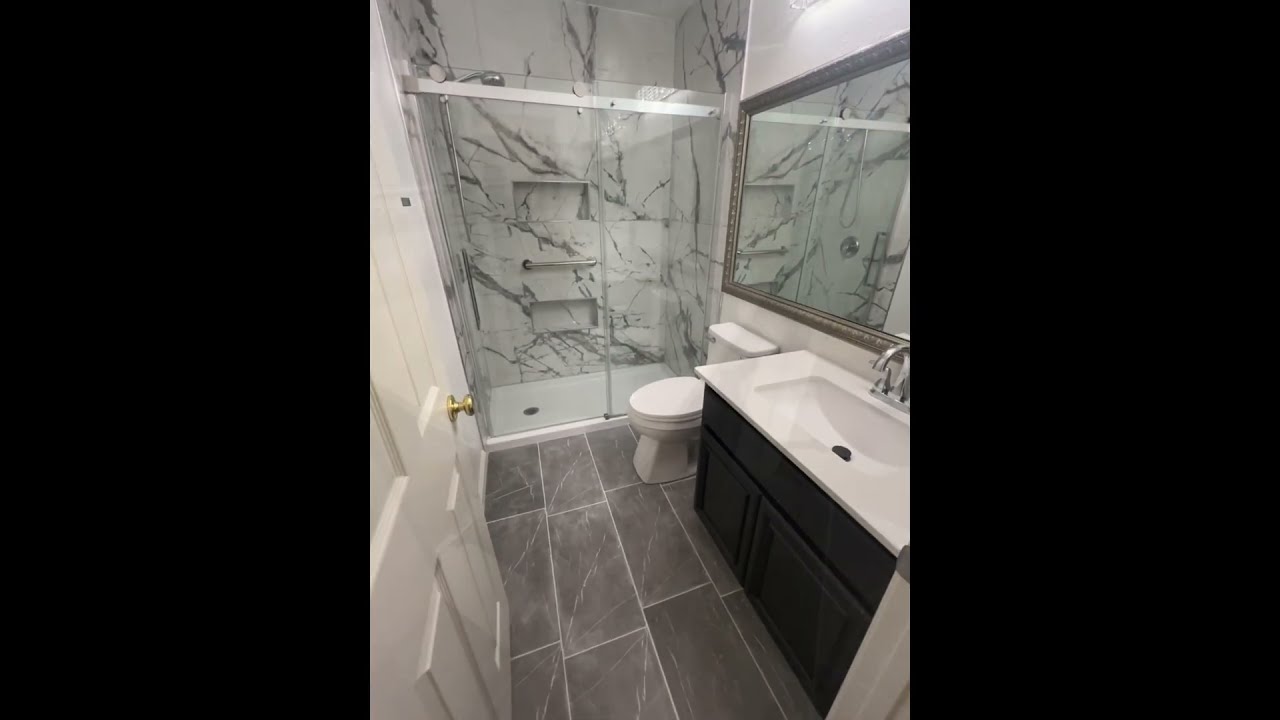
Tile and glass love to bounce sound. If you’re planning a bathroom renovation Orlando project and want privacy, treat the bathroom’s shared bedroom wall as if it were a media wall. Heavy gypsum, damping, and careful sealing prevent both sides from broadcasting. For showers on exterior block walls, build a decoupled interior stud wall in front of the block, insulate with mineral wool, and use 5/8 inch backer on the bedroom side to keep the shower singing from penetrating the house.
Vent fans can be acoustic culprits. Choose fans rated below 1.0 sone, run 6 inch duct where possible rather than 4, add an inline backdraft damper, and line the first few feet of duct with acoustic material or use insulated flex to tame the resonance. Terminate through the roof with a proper cap and seal everything against Florida’s humidity.
Materials that punch above their price
Not all spend is equal. In many Orlando home remodeling projects, I find the best returns in a few specific choices:
- 5/8 inch Type X gypsum instead of ½ inch. The price bump is small, stiffness and mass go up a lot. It hangs slightly slower and weighs more, so plan labor accordingly. Mineral wool batts rather than fiberglass in key walls. The density helps across a broader frequency range. You’ll still need mass and decoupling for best results, but mineral wool is more forgiving to install snugly without gaps. Acoustic sealant at all perimeter joints. One case of the right caulk, used properly, outperforms another layer of cheap foam. Use a non-hardening acoustic sealant, not acrylic painter’s caulk. Solid-core doors with seals. This alone can change the day-to-day experience in a home office or primary suite.
On the premium end, viscoelastic damping compound sandwiched between two layers of 5/8 inch drywall has proven value, especially for media walls and bedrooms. The labor is the same as hanging a second layer without compound, and the performance difference is noticeable.
When windows and roofs cause the trouble
Orlando traffic and flight paths don’t care about your floor plan. If the primary noise is outside, look to the skin of the house. Many masonry homes have single or builder-grade double-pane windows with low air-seal performance. An upgrade to laminated glass with tighter frames does two things: increases mass and reduces air leakage. Laminated glass outperforms ordinary double-pane for sound because the PVB layer damps vibration. I’ve measured up to 6 to 10 dB improvement in mid frequencies with good laminated units versus old sliders.
Roof noise from heavy rain is common in metal and some low-slope assemblies. Spray foam in the roof deck can help by damping the panel resonance and sealing air paths, but that’s a major investment. If you’re keeping a vented attic, adding a layer of 5/8 inch drywall below the existing ceiling with damping compound, while sealing all penetrations, often yields more comfort for less.
If you’re comparing a home renovation contractor Orlando for a whole home renovation Orlando scope, ask to see window STC data, not just energy numbers. Many sales reps talk U-factor and SHGC, which matter for cooling loads, but you also want the STC and OITC ratings.
A realistic budget ladder
Every house and crew is different, but after dozens of interior renovation Orlando projects focused on sound, these ranges hold true for ballpark planning. Numbers include labor and materials, not taxes or permits, and assume we’re working inside a larger renovation so mobilization is already covered.
- Incremental quiet: $600 to $1,800 per room. Swap to a solid-core door with seals, add area rugs and felt pad, caulk baseboards and penetrations, and selectively add a second 5/8 inch layer with damping on one critical wall. Substantial privacy: $3,000 to $7,500 per room. Isolation clips and channel on one or two walls, mineral wool, dual 5/8 inch gypsum with damping, outlet putty pads, sealing, and a solid-core door. Great for nurseries and offices. High-performance envelope: $8,000 to $20,000 per room or zone. Decoupling all relevant walls and ceilings, backer boxes for lights and speakers, lined duct reroutes, specialty glazing or secondary interior windows, and careful carpentry to avoid flanking.
For a full interior renovation Orlando project that includes multiple bedrooms, a media room, and targeted glazing upgrades, I’ve seen sound scopes sit between 8 and 15 percent of the total remodeling budget. Luxury home renovation Orlando programs that integrate a dedicated theater or studio can exceed that.

The flanking paths that sabotage good walls
You can build an STC 60 wall and still hear the neighbor’s dog if flanking paths remain open. In Florida construction, the usual suspects are:
- Open return air pathways that connect rooms via the attic. Undercut doors plus a single central return is a recipe for cross-room sound travel. Add jump ducts or dedicated returns and use lined flex. Back-to-back electrical boxes. Move them off the stud centerline and pad them. Consider surface raceways if you absolutely can’t open the wall. Continuous framing members that couple rooms. A double-stud wall eliminates this, but many renovations rely on clips and channel on one side. Avoid rigid bridging like continuous built-ins that screw through to the studs on both sides. Recessed can lights and speaker cutouts without backer boxes. Think of each hole as a tiny window for sound. Gappy baseboards and trim. Seal before trim goes on, then again after paint if needed. It’s easier to do it once, right.
In one Winter Park project, a beautifully constructed decoupled wall still leaked sitcom laugh tracks into the baby’s room. The culprit was a skinny gap under the baseboard where the slab dipped. A bead of non-hardening sealant fixed what extra drywall never could.
Kitchens and hard surfaces without the echo
You can’t line a backsplash with acoustic panels. That said, you can change how the room behaves without touching the stone. In home remodeling Orlando designs, we often soften kitchens with a fabric-wrapped banquette across from the island, motorized Roman shades that cover a big slider at night, and a couple of upholstered counter stools instead of all-metal seating. Even swapping four dining chairs to upholstered seats can drop the reverb in the adjacent great room by a tenth of a second, which your ear reads as calmer conversation. For a kitchen renovation Orlando scope, plan for an acoustically friendly pantry or utility closet where the loudest appliances or an ice maker can live behind a sealed door.
Sound in bathrooms and bedrooms over tile floors
Tile over slab is standard, and it reflects sound. If you’re not tearing out existing flooring, you can still layer in softness. In a primary suite project near Lake Nona, we laid a 9 by 12 wool rug with a 10 pound felt pad, changed the door to solid-core with gaskets, and added a secondary drywall layer with damping on the wall behind the headboard. The net effect measured roughly 5 dB quieter at night with the same hallway ambient noise, enough difference that the clients stopped using a white noise machine. Small moves, stacked properly, work.
For bathroom doors, don’t skip gaskets. Moisture-rated seals exist, and they keep shower noise in its lane. If you like the look of glass, consider thicker tempered panels or laminated glass for water closets, and run full-height where you can. Gaps at the top behave like speakers.
Studios, podcasts, and music rooms
Orlando has no shortage of musicians and content creators. A spare bedroom can become a workable studio, but you need a different level of control. The practical path is a room-within-a-room light: independent ceiling channel and clips, double 5/8 inch gypsum with damping, mineral wool in every cavity, solid-core door with double seals, and a second interior window or a laminated unit if you’re on a busy street. Use heavy curtains as movable acoustic treatment and broadband panels at first reflection points on walls. A proper floating floor is rarely necessary on a slab, but for second floors, a decoupled subfloor with rubber underlayment helps with drum kits or heavy bass.
Pay attention to HVAC. Low-noise inline fans, lined duct, and oversized returns that keep air velocity down are worth the cost. If you can’t hear your own breath on a condenser mic, the system is quiet enough.
Permits, code, and real-world constraints
Orange, Seminole, and Osceola counties focus on life safety, structure, energy, and mechanical code. Sound is not directly regulated. That gives flexibility, but don’t let a sound goal compromise fire rating. When you change an assembly, especially party walls or garage separation walls, confirm you are maintaining or improving the fire resistance. Many of the best acoustic assemblies use Type X gypsum and mineral wool, which also support fire safety, but clips and channel change how gypsum layers count for rating. An experienced home renovation contractor Orlando should have tested assemblies to reference.
If you live in a townhome or condo, HOA rules govern what you can touch and the hours of work. In multi-family interiors, sound and fire are tightly coupled. Ask for documentation and take pictures before closing walls. Future appraisers and buyers like proof.
Working with the right team
You don’t need a boutique acoustic consultant for every interior renovation Orlando project, but you do need a contractor who respects the details. When you interview a home remodeling contractor Orlando, listen for specific language about flanking, damping, and sealing. Ask to see a sample backer box they’ve built, or a door they’ve gasketted. A licensed home renovator Orlando should also be comfortable coordinating HVAC tweaks, since duct paths and returns play an outsize role in noise travel here.
Local home renovators Orlando with deep portfolios will show you jobs where they staged the work so the sound scope piggybacked on other trades. For example, adding isolation clips right after rough electrical and plumbing, but before insulation and drywall crews roll in, keeps the schedule clean. If the team shrugs and says “we’ll throw in some foam,” keep shopping.
Where to start if you only have the budget for one move
If you only make one investment in sound during a house renovation Orlando, choose the door and the shared wall to the space you care about most. That could be the wall behind your headboard and a solid-core bedroom door, or the office door and the wall that faces the TV room. In a two-story home, it might be the ceiling of the nursery below the loft. Soundproofing succeeds through bottlenecks. Fix the biggest two, and the rest of the house feels better.
For homeowners searching home renovation near me Orlando, look for companies that can bundle these small but effective upgrades into broader scopes: a bathroom update that quietly seals the door and adds mass to the shared wall, a kitchen refresh that keeps can lights from becoming megaphones, a media-room paint job that adds damping and a neat baseboard seal before trim goes back. An Orlando renovation company that thinks this way saves you rework.
A short field checklist before drywall
- Confirm outlet locations are not back-to-back, and putty pads are on every box in treated walls. Verify isolation clips and channel spacing match manufacturer specs, screws do not short-circuit into studs, and the first layer seams are staggered from the second. Run acoustic sealant at all perimeters and penetrations before hanging trim. Inspect door slabs and hardware: solid-core thickness, continuous perimeter seals, and a drop seal or tight threshold. Photograph assemblies with a tape measure in frame to document spacing, layers, and materials for future reference.
Balancing aesthetics and quiet in luxury spaces
Luxury home renovation Orlando clients often want seamless ceilings, flush reveals, and floating stairs. Those details can fight sound goals if unchecked. We’ve had success designing shadow reveals that hide gaskets, wall build-ups that maintain clean planes while adding mass, and pre-planned millwork cavities that become acoustic traps without looking like studios. In a lakefront home, we lined a 12 foot wide window valance with acoustic felt and covered it with slatted white oak. It looked like a design flourish, but it doubled as a broadband absorber. Smart details keep the luxury intact while taming the room.
The honest limits
No interior sound treatment can erase a Harley revving at 1 a.m. under your window if the glazing is thin and the frame leaks. No amount of damping will hide subwoofer rumble from a neighbor if the slab couples both homes. That’s why a whole home renovation Orlando plan starts with where the noise originates, then treats the most efficient path. Sometimes that means spending money on the outside skin before you spend inside. Other times the fastest win is a door and a wall.
Even with best practices, expect diminishing returns. The first 10 dB of reduction costs less than the next 5. Perfect silence is not the goal in a family house. Predictable, comfortable sound levels are.
Bringing it all together
Soundproofing done well disappears into the bones of the home. You don’t see the clips behind the drywall or the mastic on the duct joints. You just notice that the blender doesn’t pierce the movie, the rain sounds like a backdrop rather than a barrage, and the baby sleeps through the evening. That outcome depends less on one magic product and more on a sensible mix of mass, decoupling, damping, and sealing, implemented by a competent team at the right stage of a project.
Whether you’re tackling a bathroom renovation Orlando, a kitchen upgrade, or a whole home renovation Orlando, fold sound into the scope early. If you’re comparing an Orlando remodeling company against another, ask how they’d handle the specific rooms that bother you, what assemblies they’d use, and where they’d spend to get the biggest gain. The right home renovation services Orlando balance cost, craft, and local knowledge, then deliver quiet you can feel the first night you sleep there.
For homeowners scanning for a general contractor Orlando who understands both comfort and code, remember this: quiet is built, not bought. Choose the assemblies that fit your rooms, seal every leak you can find, and let the trims and finishes hide the work. The city is lively enough outside. Inside, you get to decide the volume.