Orlando houses soak in generous light nine months a year, then flip to fast storms and sudden dusk. Renovating here means taming a wild mix of sun, humidity, and frequent power surges, all while shaping rooms that feel tuned to Florida living. When homeowners call about home renovation in Orlando, lighting usually starts as an afterthought. It never ends that way. Good lighting can make a modest kitchen feel tailored, help a bath dry out faster, lower cooling costs in July, and coax a rental-grade floor plan into something that looks custom. Bad lighting, on the other hand, bakes glare into your backsplash, leaves your staircase in gloom, and adds heat load you never asked for.
This guide pulls from years on job sites across Orange, Seminole, and Osceola counties, from 1950s ranches near Conway to new builds in Lake Nona. It walks through the choices that matter, where to spend, and what to dodge during Orlando home renovation. Whether you are hiring an Orlando home remodeling contractor or managing part of the work yourself, the aim is simple: every switch, fixture, and opening should serve you morning and night, wet season and dry.
Start with daylight, then layer
Before picking a single recessed can, map the sun. Orlando’s latitude gives a high, intense sun for much of the year. South and west exposures flood interiors after lunch. North windows feel cooler, even on bright days. East windows deliver crisp morning light, useful for kitchens and breakfast nooks. The way you renovate should exploit these differences.
If you are planning a whole home renovation in Orlando, push to enlarge or add north-facing glazing where you want consistent, soft light, like home offices or family rooms. For west exposures, use deep overhangs or exterior shading to cut peak glare around 3 to 5 p.m. For Florida rooms and lanais that become interior during an addition, ask your home renovation contractor in Orlando to model daylight at different times of year. Small moves, like bumping a window head height from 6 foot 8 to 7 foot 6, can lift a room’s mood without introducing heat.
Inside, do not rely on a single light source. Layer task, ambient, and accent lighting. In a kitchen renovation in Orlando, overhead cans can handle general illumination, but the work happens under cabinets and over the island. Concealed LED tape under uppers, pendants with cut-off shades to avoid sightline glare, and a dimmable center fixture form a trio that works morning to midnight. In living areas, sconces at eye level soften walls, while a few adjustable recessed fixtures wash art or built-ins. Bedrooms deserve low-key ambient, bedside task lights on separate controls, and blackout-ready windows for summer dawns that arrive too early.
Think of the home as a sequence of scenes instead of rooms. Entry, kitchen prep, dinner, movie, night hall. If you can set five or six reliable scenes with switches or a simple control app, you have done more for livability than a dozen decorative pendants ever could.
Color temperature, CRI, and the Florida sun
Color temperature is the number homeowners latch onto, and for good reason. The trick is not to chase a single Kelvin rating, but to choose a family that makes your finishes and routines feel right. Most Orlando homes land well at 2700K to 3000K for living spaces. That keeps evenings warm, helps wood tones read natural, and smooths skin complexion. Kitchens can stretch to 3000K or 3500K if your counters and cabinets skew cool, like Carrara-look quartz, white oak, or light gray paint. Home offices benefit from 3500K during work hours for alertness, then dim to 3000K to unwind.
Match like with like. Mixed color temperatures in one view produce visual noise you may not see in the store. If your pendants are fixed at 2700K, avoid 4000K can lights next to them. For bathrooms, 2700K to 3000K flank lights at the mirror give natural skin tone. High CRI, ideally 90 or above, matters for makeup, shaving, and finish accuracy. That one number does more heavy lifting than most spec sheets admit. In kitchens with colorful tile, high-CRI undercabinet strips preserve hue and saturation. In closets, 90+ CRI keeps navy from looking black.
Orlando’s intense daylight raises a special point. Afternoon sun will wash your interior palette; LEDs at 2700K can look dingy by comparison in late day. Dimmable, tunable-white options let you nudge to 3000K or 3500K in the late afternoon, then slide warm again at dusk. You do not need tunable fixtures everywhere. Choose them in the main living zone, kitchen, and primary bath. Secondary bedrooms and halls can stay fixed.
The humidity problem, solved with details
Humidity in Central Florida seeps into everything. Light fixtures in baths, laundries, and lanais face steam and salt air if you are near the coast. You can buy “damp rated” or “wet rated” fixtures, yet the installation is half the battle. Use sealed trims on recessed cans in showers and soffits. In shower zones, pick corrosion-resistant housings, gasketed trims, and stainless fasteners. If you are running LED tape outside under a soffit or in a cove, ask for IP65 or higher. In powder rooms with no shower, damp rated is fine, but place wall lights far enough from the sink to avoid splash.
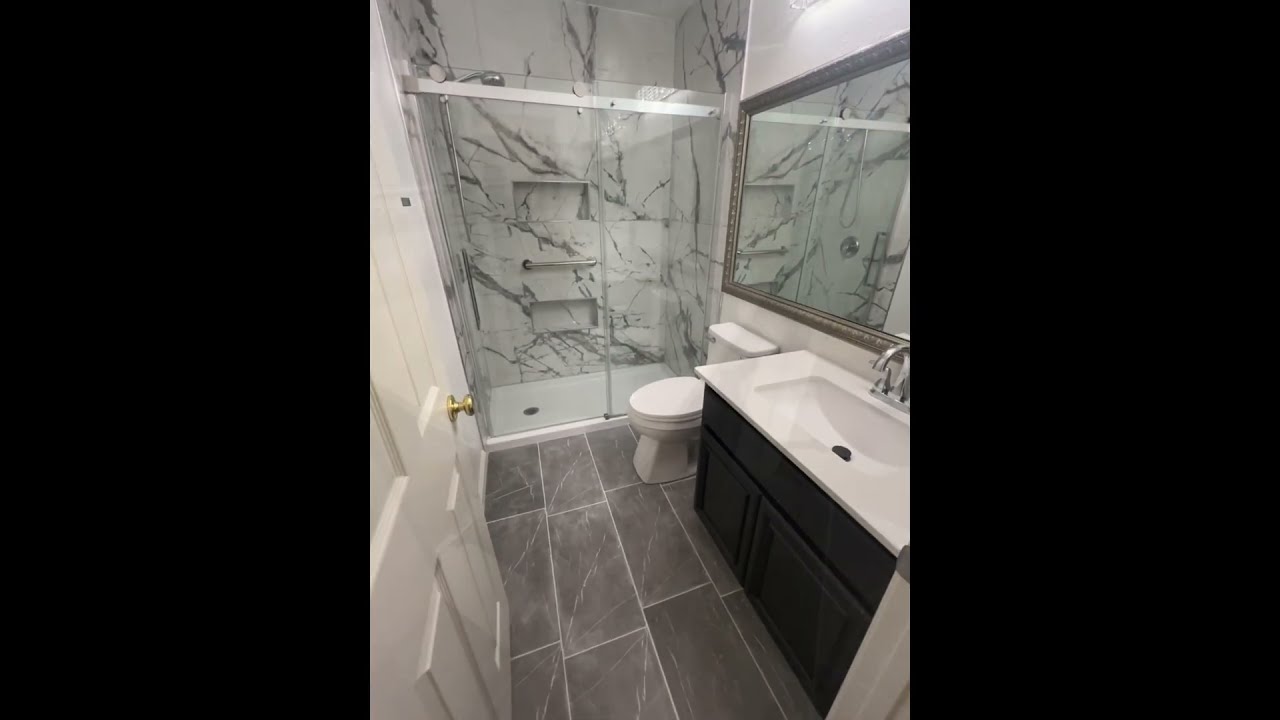
Ventilation and lighting should work together. In bathroom renovation in Orlando, swap the old 70 CFM fan for a quiet 110 to 150 CFM unit with a humidity sensor. Pair it on the same control gang as vanity lights so the fan naturally runs when the room is lit. If code allows, a timed fan switch extends run-on to clear moisture. Your paint and mirrors will thank you. For laundry rooms, add a sealed surface-mount LED centered above the appliances and a work light under the upper cabinets. Dehumidifiers run better when heat load from fixtures is low, so keep all lighting LED.
Recessed, surface, or pendant: choosing for ceilings that are never straight
In older Orlando ranches, framing is not always where you expect. Truss chords, shallow soffits, and duct runs get in the way of deep recessed fixtures. During residential renovation in Orlando, walk the framer and electrician through your lighting plan with a stud finder in hand. Low-profile recessed fixtures that clip into a 2 inch air space have saved many kitchens from Swiss-cheese ceilings.
Use recessed lights where you want even ambient light, not bright circles. Aim for one fixture for every 25 to 35 square feet in standard 8 to 9 foot ceilings, then tune with dimmers. Stagger rows so cones overlap by the time they hit the counter. Do not put a recessed directly over a range hood, or you will glare off the stainless and cast hard shadows on your cooking surface.

Pendants belong where you want scale and visibility. Over an https://jsbin.com/vumedupiru island, three small pendants spaced evenly often beat two big ones, but only if the island is longer than 7 feet. Over a breakfast table, a single fixture 30 to 34 inches above the tabletop feels right for 8 foot ceilings, a bit higher for taller rooms. Choose shades or diffusers that hide the lamp from side views so neighbors across the island are not squinting. In living rooms with beams or vaulted forms, surface-mount fixtures and sconces avoid the insulation headaches and air leaks that recessed cans can create. Talk to your general contractor in Orlando about air sealing any ceiling penetrations. It keeps conditioned air inside and reduces condensation risk.
Smart controls that stay simple
Control is where beautiful lighting dies or thrives. A wall cluttered with six toggles in a kitchen makes no one happy. Keep it sane with two or three scene buttons and a couple of dedicated dimmers. You do not need a luxury whole-house system to get this right. Midrange smart dimmers that communicate over Wi-Fi or a reliable mesh protocol cover most homes.
Key rules from the field:
- Group by task, not by fixture type. Put all undercabinet lights on one dimmer, pendants on another, and the ambient cans on a third. Add one “All Kitchen” scene that sets a comfortable default for breakfast or cleanup. Label every control at trim-out. Black-on-white engraved rocker faces cost little and pay dividends. No one should guess which switch runs the lanai sconces. Put exterior lighting on astronomic timers. In Orlando, sunset swings by more than an hour across the year. Timers follow the sun without you thinking about it.
If you are working with an Orlando remodeling company on a larger project, ask for a lighting control schedule during design. It lists circuits, dimmer types, load calculations, and integration notes for fans and low-voltage strips. This one page saves a dozen calls during rough-in.
Kitchens: bright where it counts, quiet where it doesn’t
A kitchen renovation in Orlando gets daily use in bright daylight and late at night. The room should shift without friction. I like a three-tier plan. Tier one is general light from recessed or a low-profile surface fixture grid, dimmable down to 5 percent. Tier two is task light at counters. Here, continuous LED tape at 4 to 6 watts per foot, with a high CRI and a diffuser lens, lights every inch without hot spots. Position the tape at the front of the cabinet to throw light forward, not bounce it off the backsplash. Tier three is focal light at the island and sink. Pendants or a linear chandelier over the island and a small recessed or sconce at the sink do the trick.
Beware of glossy tile. If you insist on it, tone down beam angles so you do not see your fixtures reflected. On open shelves, consider a shallow, integrated LED channel underneath each shelf. It keeps the counter free and makes display items sparkle without looking like a storefront.
Appliance nooks often wind up dim. A small puck under a coffee station cabinet makes early mornings easier. Pantry closets deserve bright, even light so labels pop. A motion sensor avoids hunting for the switch while juggling bags.
Bathrooms: accurate light, dry surfaces
Bathrooms in Orlando fight steam and mirror fog. You also want light that flatters the person in the mirror. Vertical lights flanking the mirror, roughly at eye height and 24 to 36 inches apart, beat any overhead bar. Pick diffused fixtures that wrap the face evenly. Many homeowners add a ceiling recessed over the vanity as habit. It creates brow shadows. Skip it unless you aim the trim to wash the counter, not the person.
Showers want a single wet-rated recessed with a sealed trim, placed near the valve side so water does not pelt the lens. For larger showers, add a second. Set shower lights on their own switch. At night, a low-level night light or a toe-kick LED path avoids blinding transitions.
Fans matter more than people think. Tie the fan to the light with a separate override. If you renovate a primary bath, spring for an ultra-quiet fan with a humidity sensor. Noise is the reason people leave fans off, and then the mirrors suffer. In a bathroom renovation in Orlando that includes new windows, frosted glass at shower walls brings daylight but conserves privacy. Place it to catch east or north light for a gentle glow.
Living spaces: glare control and flexible scenes
Open-concept living rooms in Florida face two arch-enemies: afternoon glare and too many light sources fighting for attention. Reduce glare by orienting major seating away from west-facing windows or use layered solar shades. A lighting plan should let you downshift easily in the evening. Soft wall sconces on dimmers draw the eye away from the TV. Adjustable recessed fixtures, set at 30 degrees, wash art or bookcases without hot spots. A floor outlet near a sofa invites a reading lamp, which often saves your eyes more than any ceiling solution.
If your home opens to a lanai or pool, match interior and exterior Kelvin temperatures in the same view. A 2700K living room next to a 4000K pool cage feels disjointed at night. Many pool cage lights come cool by default; swap to warm LEDs so your indoor scene flows outdoors.
Bedrooms and kids’ rooms: quiet circuits and gentle starts
Orlando thunderstorms roll through quickly and often flick the power. Bedrooms deserve controls that resume where you left them rather than blasting on full. Smart dimmers with last-level memory solve this. Bedside sconces free up table space, and swing-arm types are a gift for readers. Add a low-output night mode on a toe-kick or under-bed LED to guide late-night trips without waking everyone.
Nurseries and kids’ rooms benefit from tunable white or dual-level lighting. A soft amber at night calms, while a crisp 3000K helps with homework. Use tamper-resistant outlets and, if placing LED tape for fun accents, secure the drivers in a ventilated closet or high shelf to keep little hands away.
Exterior and lanai: safety, code, and ambiance
Exterior lighting in Central Florida wears three hats: security, pathfinding, and mood. Start with safety. Stairs need consistent, low-glare lights. Thin tread lights or shielded step lights beat bright floods that blind guests. For driveways, two modest fixtures aimed down at the edges light better than a single high-output unit that blasts the middle.
Security is best handled by perimeter light at entries and motion activation where you walk from car to door. Camera-integrated floodlights can be useful, but soften their default brightness and narrow the sensor zone to avoid a nightly light show in storm season. Dark-sky friendly fixtures that shield upward spill help your neighbors and improve your own night vision.
Under lanais, pick wet-rated fixtures and sealed ceiling fans. LED strips in coves around a summer kitchen provide soft fill without attracting swarms of insects like bare bulbs do. Pay attention to code on outlets and GFCI protection near pools and spas. If you are managing a custom home renovation in Orlando that includes a new pool cage, work hand in hand with a licensed home renovator in Orlando to coordinate lighting with screen framing so you do not end up with blocked sightlines or glare on the water.
Energy, heat, and the reality of summer bills
Even efficient LEDs give off heat, and every watt of fixture load becomes part of your cooling load. In a whole home renovation in Orlando, choosing lower-wattage, high-efficacy fixtures and dimming strategy pays real dividends in summer. Seek fixtures in the 80 to 120 lumens per watt range for general lighting, with drivers rated for 90 degrees Fahrenheit environments if they will live in attic-adjacent spaces. Attics get brutal in Orlando; remote drivers in conditioned chases last longer.
If you add skylights or solar tubes, choose models with solar heat gain coefficients that do not spike interior temperatures. Tubular daylighting devices can be magic in inner baths and halls. Pair them with a small, dimmable ceiling fixture for nighttime balance. For dimming, consider 0 to 10V or digital protocols where feasible. They dim smoother than many triac dimmers and avoid the shimmer that frustrates people during dinner.
Utility rebates for high-efficacy lighting have tightened, but a good Orlando renovation company will still know which fixtures qualify for local or federal incentives. The bigger win comes from cutting heat at the source and sealing penetrations so your air conditioner is not cooling the roof deck.
Codes, inspections, and the not-so-fun parts
Orange County follows the Florida Building Code, which in turn hangs on the NEC. Kitchens require two or more 20-amp small-appliance circuits. GFCI and AFCI protection rules apply across kitchens, baths, laundry, and outdoor spaces. If you are updating lighting, you may trigger requirements for tamper-resistant receptacles and certain smoke and carbon monoxide detector upgrades. Stairways need consistent light levels, and closets have clearance rules for hot fixtures. The point is not to memorize the book, but to hire an Orlando renovation expert who works cleanly with inspectors. A home remodeling contractor in Orlando who pulls permits without drama is worth more than a fixture allowance ever will be.
Coordinate rough-in heights before drywall. Mark switch heights, sconce centers, and pendant drops with painter’s tape. In a 1950s block ranch, walls are rarely plumb. A tape measure and a level beat guesswork. If you plan to add future smart shades, run low-voltage to window heads now. You can thank yourself later when you avoid battery changes in August.
Mistakes I see, and what to do instead
Home improvement in Orlando attracts plenty of DIY spirit. Some efforts shine, others create long shadows. A few frequent missteps:
- Over-recessing everything. Rooms become flat and clinical. Add sconces, a table lamp, or a statement pendant to give the eye a place to rest. Mixing color temperatures in one sightline. Keep a room family at 2700K to 3000K and save the 3500K for work zones. Forgetting dimmers. Full-bright LEDs at 9 p.m. feel harsh. Dimmers are inexpensive and change the way a room lives. Skimping on CRI. Cheap strips and bulbs wash color. In kitchens, closets, and baths, ask for 90+ CRI. Ignoring exterior glare. Shielded fixtures light the ground, not the neighbor’s bedroom.
Each fix is simple. Swap a few trims, consolidate color temperatures, add dimmers where missing, and shield exterior fixtures. If the plan feels tangled, a quick consult with local home renovators in Orlando can reset the course.
Budgets, where to splurge, where to save
Lighting can swell a budget fast, especially in a luxury home renovation in Orlando. Spend where the hours add up. Kitchen task lighting, primary bath mirror lights, exterior path and entry fixtures, and living room dimming controls deserve a bit more. Save on decorative fixtures in secondary bedrooms and halls; a well-proportioned, simpler design usually looks just as good. Use value-engineered recessed housings with quality trims, rather than vice versa. For undercabinet lighting, invest in an aluminum channel with a lens, not bare tape. It looks finished and diffuses better.

When comparing an Orlando remodeling company bid against another, look past “can lights” as a line item. Ask for fixture schedules by room, color temperatures, CRI, control types, and dimming compatibility. The cheapest bid often hides under-specified parts that lead to flicker and early failure. An affordable home renovation in Orlando is not about cutting corners, it is about clear specs and clean installation.
The Orlando rhythm: plan for storms and blue skies
Hurricane season shapes habits. Consider a few pragmatic moves. Place a couple of key lamps and routers on small battery backups so lights and internet ride out a quick outage. Pick smart controls that default gracefully if the network hiccups. If you have a generator or plan to add one, design a subpanel that keeps essential lighting and exterior security online. Motion-activated, low-watt porch lights tied to backup power help during post-storm nights when streetlights are down.
Most of the year, though, it is blue sky and bright sun. Solar shades on west windows drop interior glare and protect floors and art. Pair them with an interior scene that dials down to 30 percent brightness in late afternoon. The home feels calmer instantly.
Selecting the right partner
For Orlando home renovation, the best lighting outcomes happen when the electrician, designer, and homeowner decide early. If you are searching for home renovation near me Orlando, look for a team that will walk the house with you at the framing stage, mark centers on walls, test pendant heights with mock-ups, and bring a dimmer and a sample fixture to show beam spread right in your space. A licensed home renovator in Orlando should speak comfortably about load calculations, derating dimmers in multi-gang boxes, and the right drivers for long LED runs.
Ask for references that include kitchens and baths, not just living rooms. Inquire about a project where they corrected glare issues or solved humidity problems. Orlando renovation experts who have wrestled with a steamy primary bath or a sun-blasted breakfast nook will have answers that go beyond catalog picks.
A brief, practical roadmap
If you are about to start an interior renovation in Orlando, or even a targeted kitchen or bath, here is a lean way to approach lighting without getting lost:
- Walk the house at 8 a.m., noon, and 5 p.m. Note glare, dark corners, and how you move. Choose one color temperature family per space, with 90+ CRI where color fidelity matters most. Draft a room-by-room plan that assigns ambient, task, and accent layers, with simple scenes. Specify dimmers and controls that your household will actually use, then label everything. Coordinate installation details: heights, air sealing, damp/wet ratings, drivers, and inspections.
Bringing it together
Lighting in Orlando is part science, part choreography. The sun is strong, the air is heavy, and homes blend inside with out more than in many cities. A thoughtful plan grounds the whole renovation. It spots how your family lives, not just where a catalog says to hang a pendant. It respects the code, shrugs off the humidity, and keeps energy in check when summer bills rise.
If you are working with an Orlando home renovation contractor on a house renovation in Orlando, push to talk lighting early. Good choices are not expensive, they are intentional. From a single-bulb pancake over a 1960s sink to a layered system in a modern open plan, the goal is the same: light that helps you chop an onion without glare, read stories without squinting, welcome guests without blinding them, and settle into the evening with rooms that feel like they belong to you. That is where bright ideas become everyday comfort.